Apache Lake Fishing Report: Spring Transition Strategies
Nestled deep within the rugged Superstition Wilderness, Apache Lake is the crown jewel of the Salt River chain. Surrounded by towering canyon walls and studded with iconic Saguaro cacti, this reservoir rewards anglers who are willing to navigate its remote access with some of the most spectacular multi-species action in the Southwest. As the desert shakes off the winter chill, the spring transition period triggers heavy feeding windows. The following intelligence brief combines verified biological ground truth with professional on-the-water tactical experience to maximize your success.
1. GO/NO-GO STATUS
Verdict: GO - WITH LOGISTICAL CAUTION
The fishery itself is in prime condition and wide open for business, but getting your boat to the water requires strategic planning. The notorious Fish Creek Hill section of the Apache Trail (SR 88) from the western Apache Junction side is impassable for towing a boat trailer. You must approach the lake from the east via Highway 188 to SR 88 near Roosevelt Dam. This adds drive time but ensures your trailer axles remain intact.
From the editor
Tired of fishing with strangers you can’t trust?
Nautrek is the first social network for serious anglers — verified partners, real trips, cost splitting and intel sharing without burning your spots. Private beta now open.
Weather & Water Conditions: The seasonal transition brings cold, crisp mornings that rapidly give way to pleasant, warming afternoons. Water temperatures are hovering in the mid-fifties to low-sixties,, which is the perfect catalyst for pre-spawn staging. Apache Lake is famous for its exceptional water clarity compared to neighboring reservoirs, currently offering six to ten feet of visibility. This high visibility dictates strict finesse presentations and stealthy boat positioning.
2. SPECIES INTEL (Bio-Verified)
Our biological intelligence data, verified by recent citizen science observations, provides a crystal-clear picture of what is moving in the lake right now.
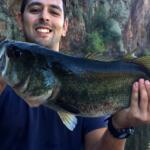
Recent bio-data confirms that Florida Bass are highly active, with multiple verified catches recorded in the upper lake sections and near the Fort McDowell inflows. These fish, along with the lake's robust Smallmouth Bass population, are metabolically shifting into high gear. They are migrating from deep wintering holes toward secondary shoreline points to intercept bait before the spawn.
Sleeper Pick: Sonora & Desert Suckers
While the vast majority of anglers are strictly hunting black bass, biological ground truth highlights a strong, active presence of native Sonora and Desert Suckers. Concentrated near the riverine inflows, such as Sheep's Crossing and the Salt River inlet, these bottom-feeders are largely ignored. Targeting them on light tackle offers incredible, rod-bending action when the bass bite temporarily slows down.
Baitfish & Forage Report: Match the Hatch
Verified observations confirm that Western Mosquitofish and Green Sunfish are heavily populated in the shallow weed lines and rocky crevices. Bass are periodically pushing up from the depths to raid these localized forage schools. While Threadfin Shad remain a staple in the main basin, mimicking the erratic, flickering movement of Mosquitofish in the shallows is a proven tactic for triggering explosive reaction strikes.
3. TACTICAL STRATEGY
To capitalize on the current bite, you must fish with precision. Generic casting will not yield results in these clear, pressured waters.
Where: Focus your efforts on the steep, forty-
five-degree chunk rock banks, secondary points leading into spawning coves, and the submerged ledges near the Salt River inlet. As the sun climbs and begins to warm the shallows, shift your focus toward submerged brush and the edges of emerging weed lines where Green Sunfish and Mosquitofish hide.
How: The exceptional water clarity demands long casts and light fluorocarbon to avoid spooking line-shy fish. For the Smallmouth, rely heavily on finesse. Dragging Ned rigs, drop-shotting small plastics, and hopping finesse jigs down the rocky canyon ledges will produce consistent strikes. For the Florida-strain Largemouth, utilize reaction baits early in the morning—think suspending jerkbaits or small paddle-tail swimbaits that mimic struggling baitfish. As the sun gets high and penetrates the water column, switch to pitching Texas-rigged creature baits into shadowed pockets and submerged timber.
4. GEAR & TACKLE RECOMMENDATIONS
Rods & Reels: A 7-foot medium-light spinning setup is mandatory for the finesse presentations required by the clear water. Pair this with a 7-foot to 7-foot-3 medium-heavy baitcasting rig for working jigs and reaction baits around heavier cover.
Line: Mainline your spinning gear with 10-pound high-vis braid tied to a long (10- to 12-foot) 6- or 8-pound fluorocarbon leader. For baitcasters, 10- to 12-pound 100% fluorocarbon is the sweet spot, providing enough abrasion resistance against the canyon rocks without sacrificing invisibility.
Color Selection: Natural, translucent colors excel in Apache's pristine water. Pack green pumpkin, watermelon red flake, and oxblood plastics. For hard baits, ghost minnow, pro blue, and natural shad patterns will consistently out-produce opaque or gaudy colors.
5. HAZARDS & SAFETY PROTOCOLS
Wind Funnels: The steep canyon walls of Apache Lake create natural wind tunnels. A dead-calm morning can rapidly deteriorate into hazardous whitecap conditions by early afternoon. Keep a close eye on the sky, monitor the barometric pressure, and be prepared to seek shelter in a protected cove if the canyon winds begin to howl.
Submerged Hazards: Spring runoff can push floating debris, including large logs, into the main river channel. Keep your eyes peeled while running on plane. Additionally, be aware of fluctuating water levels; submerged boulders that were safe to run over during higher water periods might be dangerously close to the surface right now.
Remote Operations: Cell service is notoriously spotty to completely non-existent once you descend into the canyon. Ensure your vessel is in top mechanical condition, pack an emergency jump starter, carry a first-aid kit, and always leave a detailed float plan with someone back home before launching.
Tight lines!
Editor's Choice: Must-Have Gear
FISHINGSIR Next-Gen Waterproof Chest Waders
★★★★★4.4 (7,370+ reviews)
2-Ply Tech: Upgraded nylon with 2.5x higher density than standard fabrics.
100% Waterproof: Lab-approved intrusion resistance with taped visible seams.
Ultra-Lightweight: Designed for all-day comfort while hunting or fishing.
As an Amazon Associate I earn from qualifying purchases. #ad
[fishing_forecast_spot]
Live Fishing Conditions: Tides, Weather & Waves
Get real‑time tides, marine weather, swell and solunar activity for each spot so you know exactly when conditions line up for your best chance at a bite.
[fishing_weather]
Fishing Spots Map
My location
Loading map...
Unable to load map
There was an error loading the map. Please try refreshing the page.
Info
Local Access & Facilities
Nestled deep within the Superstition Wilderness, Apache Lake represents a rugged, high-reward fishery for anglers willing to navigate the logistical challenges of the Salt River chain. Unlike its bustling neighbor Roosevelt Lake, this reservoir offers a more secluded experience, characterized by steep canyon walls, clear blue water, and a shoreline studded with iconic Saguaro cacti. The lake stretches 17 miles, making it the longest in the chain below Roosevelt Dam, providing ample structure for serious game fish hunters.
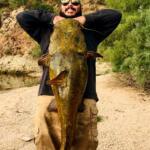
The primary draw here is the diverse bass fishery, featuring substantial populations of Largemouth and Smallmouth Bass that thrive in the deep, rocky topography. Beyond bass, the lake holds impressive numbers of Crappie, Sunfish, and massive Flathead and Channel Catfish that patrol the darker depths. The atmosphere is distinctly Sonoran Desert—stark, beautiful, and unforgiving regarding heat and exposure—demanding self-reliance from any captain planning a multi-day excursion.
💡 Captain's Tip: Seasonal Water Clarity
Apache Lake is known for its clear water conditions compared to other Salt River reservoirs. When targeting Smallmouth Bass along the rocky cliffs, downsize your line diameter and opt for natural fluorocarbon leaders to avoid spooking fish in the high-visibility water.
Access & Getting There
Reaching Apache Lake requires careful route planning, particularly for those towing varied vessel sizes. The most critical logistical detail for seasoned anglers is the current road status. The direct access to Burnt Corral from Tortilla Flat via AZ-88 East (The Apache Trail) is frequently closed due to washouts and maintenance. You must verify this before departure, as turning a trailer around on these narrow mountain roads is nearly impossible.
For reliable access, especially when trailering, the recommended route approaches from the Roosevelt Dam side. From the Mesa area, seasoned skippers head north on AZ-87 for approximately 59 miles, turning right onto AZ-188 South. After 31.6 miles, turn right onto AZ-88 West. Continue past the historic Roosevelt Dam for about 5 to 6 miles to reach the Burnt Corral Recreation Site. This route is paved but winding; ensure your trailer brakes are in top condition for the descent into the canyon.
The primary launch facility is at Burnt Corral Campground. The ramp here is paved and generally accessible, featuring a boat boarding dock that aids in solo launching. However, water levels in the Salt River chain fluctuate significantly based on agricultural demand and drought conditions. At lower water levels, the ramp can become steep and slick with algae. Parking at the ramp is available but limited during peak weekends; getting "dawn patrol" timing is essential not just for the bite, but for a slot for your trailer.
💡 Captain's Tip: The "Back Way" Warning
Do not trust standard GPS routing blindly. Access via the unpaved section of the Apache Trail (from Tortilla Flat) is often gated shut. Always route through Globe or via AZ-188 past Roosevelt Lake to avoid a mandatory U-turn with a boat trailer.
Apache Lake, AZ Pre-Trip Checklist
Facilities & Amenities
Infrastructure at Apache Lake is focused on camping and basic launch access rather than commercial marina services. The Burnt Corral Campground serves as the central hub for anglers. It offers 76 camp units, many of which accommodate boat trailers (up to 32 feet), though hookups are non-existent. The site provides potable water hydrants and vault toilets, but you should not expect luxury amenities. Shade is a premium commodity here; while some sites have shade ramadas, the surrounding Mesquite and Palo Verde trees offer only dappled relief from the midday sun.
For those requiring more extensive facilities, the Windy Hill Campground is located approximately 7.5 miles away on nearby Roosevelt Lake. Windy Hill is significantly larger, with 147 units, showers, and a fully accessible boat ramp. If Apache Lake's facilities are at capacity, Windy Hill serves as a strategic fallback location, allowing you to trailer over to Apache for day trips. Note that specialized gear shops are scarce in the immediate vicinity. The nearest data-listed bait supply is 188 Upholstery (which stocks bait) roughly 16.5 miles away in Tonto Basin. Serious anglers should arrive fully stocked with tackle, ice, and fuel.
Local Facility Overview
Facility Name
Type
Key Features
Distance from Spot
Burnt Corral Campground
Access & Camping
Paved Boat Ramp, Dock, 76 Campsites, Potable Water
0.4 miles
Windy Hill Campground
Campground
Showers, Accessible Ramp, Fish Cleaning Station, 147 Sites
7.5 miles
Frazier Horse Campground
Equestrian Camp
Corrals, Vault Toilets (Near Roosevelt Dam)
5.4 miles
Coyote Boat Launch
Boat Launch
Trailer Parking Available
7.3 miles
💡 Captain's Tip: Fuel Management
There are no fuel docks directly accessible at the Burnt Corral launch. Top off your tanks in Globe or Tonto Basin before descending AZ-88. Running out of gas in the canyon usually means a long wait for a tow.
Permits, Regulations & Fees
Fishing Apache Lake requires adherence to Arizona Game and Fish Department regulations. A valid Arizona fishing license is mandatory for all anglers 10 years of age and older. The lake is managed in conjunction with the Tonto National Forest, and a Tonto Pass is typically required for parking and day-use at recreation sites like Burnt Corral and Windy Hill. These passes must often be purchased in advance at authorized vendors, as on-site kiosks may not always be reliable or present.
Anglers should be aware of the cultural and historical significance of the Tonto Basin. The area is rich in history, including the nearby Tonto National Monument, which preserves cliff dwellings of the Salado culture dating back to 1300 CE. While fishing, respecting the shoreline is critical; removing artifacts or disturbing archaeological sites is a federal offense. Additionally, "Kapu" or restricted areas may exist near sensitive wildlife habitats or dam infrastructure—always observe posted signage near Roosevelt Dam.
Events & Seasonal Information
The rhythm of Apache Lake is dictated by the desert seasons. Summer temperatures frequently exceed 100°F, making early morning and night fishing the standard for serious locals. During these months, recreational boat traffic (water skiers and wakeboarders) picks up significantly by 10:00 AM. Pros know to be off the main channel and working deep structure or coves by mid-morning to avoid the wake.
Winter and spring offer solitude and excellent fishing for Smallmouth Bass as the water cools. The lake is less prone to the violent wind shifts that plague the larger Roosevelt Lake, but the canyon walls can funnel winds during storms, creating choppy conditions rapidly. While there are no major professional tournaments exclusive to Apache Lake listed recently, the Salt River chain is a hotbed for regional bass clubs. Anglers should check local boards for club tournaments that might crowd the single launch ramp at Burnt Corral on spring weekends.
Contact Information & Resources
For the most current information regarding lake levels, fire restrictions, and road closures, direct contact with the managing agencies is recommended before hitching up the boat.
Managing Agency: Tonto National Forest - Tonto Basin Ranger District
Phone: (602) 225-5395
Nearby Cultural Site: Tonto National Monument - (928) 467-2241
Emergency: Dial 911 (Note: Cell service is spotty in the canyon; reliable signal is often found near the dam or higher elevations).
For precise locations of the boat ramps, real-time weather overlays, and detailed topography of the lake floor, consult the live dashboard and interactive maps below.
Our spot reports combine data-driven forecasts with curated local information. The forecast is generated by our proprietary Fishing Score algorithm (0–100%), which analyzes real-time data from Open-Meteo API, validated against NOAA CO-OPS tide gauges and USGS water-monitoring stations. The model weights tide dynamics (35%), wave energy (25%), wind patterns (20%) and time of day (20%)—factors shown to influence fish feeding behavior through marine-biology research and decades of charter log data.
Access, facilities and services information for each fishing spot is sourced from official datasets such as Recreation.gov (RIDB), state park & wildlife agencies, and geospatial providers like Google Maps. These sections undergo scheduled re-validation every 3–6 months to ensure that boat ramps, park access, contact details and local services remain accurate.
Narrative sections (catches, seasonal behavior, local tips) are synthesized from these data sources and refined following the Fishing Reports Today editorial guidelines, combining bibliographic research from ichthyology and oceanography with expert angler experience. Our team reviews reports on a regular basis, while the forecast model itself updates every 6 hours for real-time accuracy.
⚠️ Important: Always verify current local regulations, access restrictions and weather conditions before fishing. These reports are intended as a planning aid, not a guarantee of catches or safety. When in doubt, contact local authorities or park managers listed on the page.
To provide the best experiences, we use technologies like cookies to store and/or access device information. Consenting to these technologies will allow us to process data such as browsing behavior or unique IDs on this site. Not consenting or withdrawing consent, may adversely affect certain features and functions.
Functional Always active
The technical storage or access is strictly necessary for the legitimate purpose of enabling the use of a specific service explicitly requested by the subscriber or user, or for the sole purpose of carrying out the transmission of a communication over an electronic communications network.
Preferences
The technical storage or access is necessary for the legitimate purpose of storing preferences that are not requested by the subscriber or user.
Statistics
The technical storage or access that is used exclusively for statistical purposes.The technical storage or access that is used exclusively for anonymous statistical purposes. Without a subpoena, voluntary compliance on the part of your Internet Service Provider, or additional records from a third party, information stored or retrieved for this purpose alone cannot usually be used to identify you.
Marketing & Affiliates
The technical storage or access is required to create user profiles to send advertising, or to track the user on a website or across several websites for similar marketing purposes, including affiliate tracking for products recommended in our reports.


Leave a Reply